← Gears
PRODUCT

RACK AND PINION.

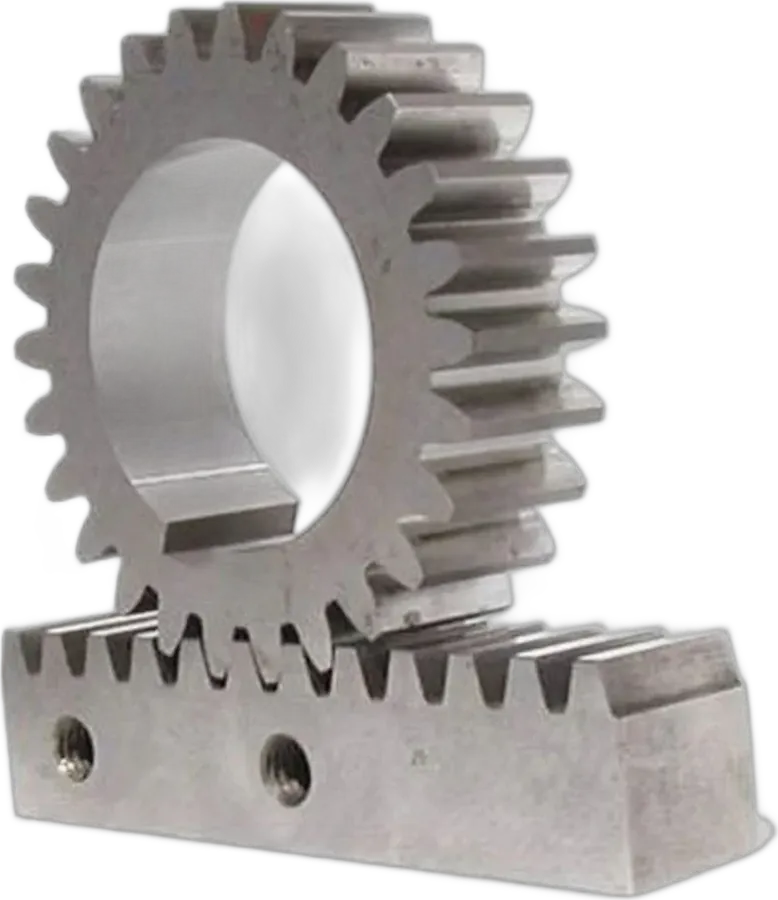
Gear racks and pinions to turn rotation into straight-line movement.

A rack is a straight bar with gear teeth; the pinion is a spur gear that meshes with it. Turning the pinion moves the rack in a straight line, or the pinion travels along a fixed rack. They are used for sliding gates, machine slides, lifting tables and gantries.

Send us the module, the rack length and cross-section, and the pinion teeth and bore, and we will come back to you with details.

Rack and Pinion

IN THE RANGE

Photos of Rack and Pinion.

Gear rack and spur pinion

Gear rack and spur pinion

Heavy rack with bolt holes and pinion

Heavy rack with bolt holes and pinion

DETAILS

Brand, specifications and downloads.

Applications
Sliding gates, Machine tool slides, Gantries and CNC machines, Lifting tables
Tooth system
Metric module
Racks
Lengths can be joined end to end for longer travel
Pinions
Spur pinions bored and keyed to size

CHOOSING A RACK AND PINION

The details that decide the size.

  • The force and speed: the weight to be moved and how fast, which sets the module. A larger module has bigger, stronger teeth.
  • The travel: the total length of movement, which sets the rack length and how many racks to join.
  • The rack section: its width and height, so it fits the machine or gate frame and can be fixed down.
  • The pinion: number of teeth, bore and keyway to suit the motor or gearbox shaft. Fewer teeth give more force and less travel per turn.

FITTING TIPS

For smooth, quiet travel.

  1. Fix the rack straight and level, parallel to the direction of travel, on a solid base.
  2. Join racks accurately. At each joint the tooth spacing must continue exactly. Lay a short piece of rack, or the pinion, across the joint while tightening to hold the spacing.
  3. Set a small backlash between pinion and rack along the whole length; the teeth should not jam at any point.
  4. Keep the teeth clean and lightly greased, especially outdoors on sliding gates, where dust and grit collect.

WHAT TO TELL US

Include these in your message and we can answer faster.

01

The module

Or the tooth pitch.

02

The rack

Length and cross-section.

03

The pinion

Number of teeth, bore and keyway.

04

The load

Load and speed of travel.

QUESTIONS

Answers to what buyers ask us most.

Distance per turn = π × module × number of pinion teeth. A module 2 pinion with 20 teeth moves the rack about 125.7 mm per turn.

OTHER CATEGORIES

More from our range.

Roller Chains+

Roller Chains

View →

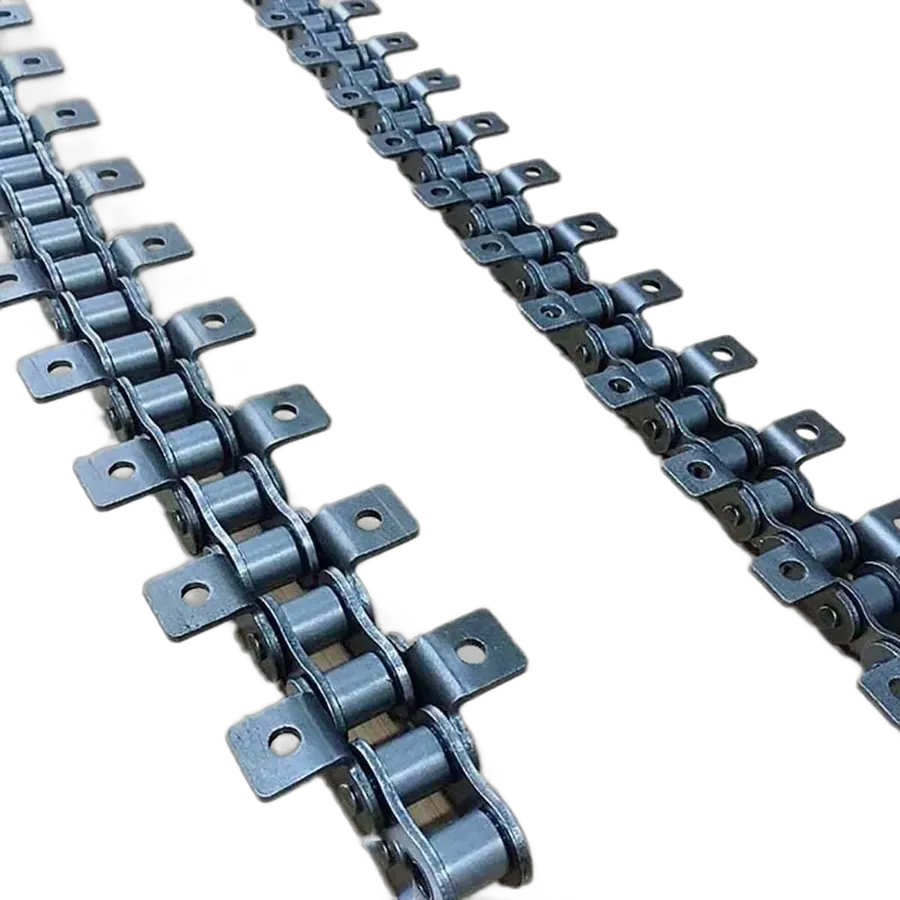
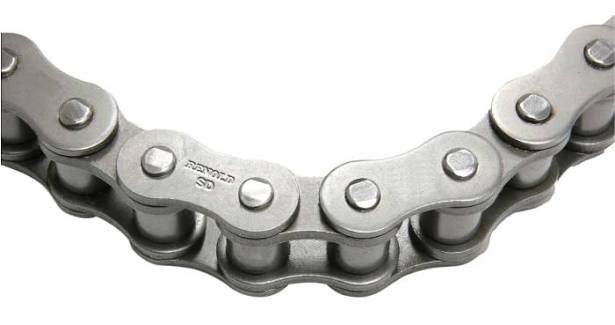
Simplex, duplex and attachment roller chains from TI Diamond, Renold, Rolon and Galaxy.

Conveyor Chains+

Conveyor Chains

View →

Leaf chains, conveyor chains, slat chains, drag chains, PIV gearbox chains and honeycomb wire mesh belts.

Chain Sprockets+

Chain Sprockets

View →

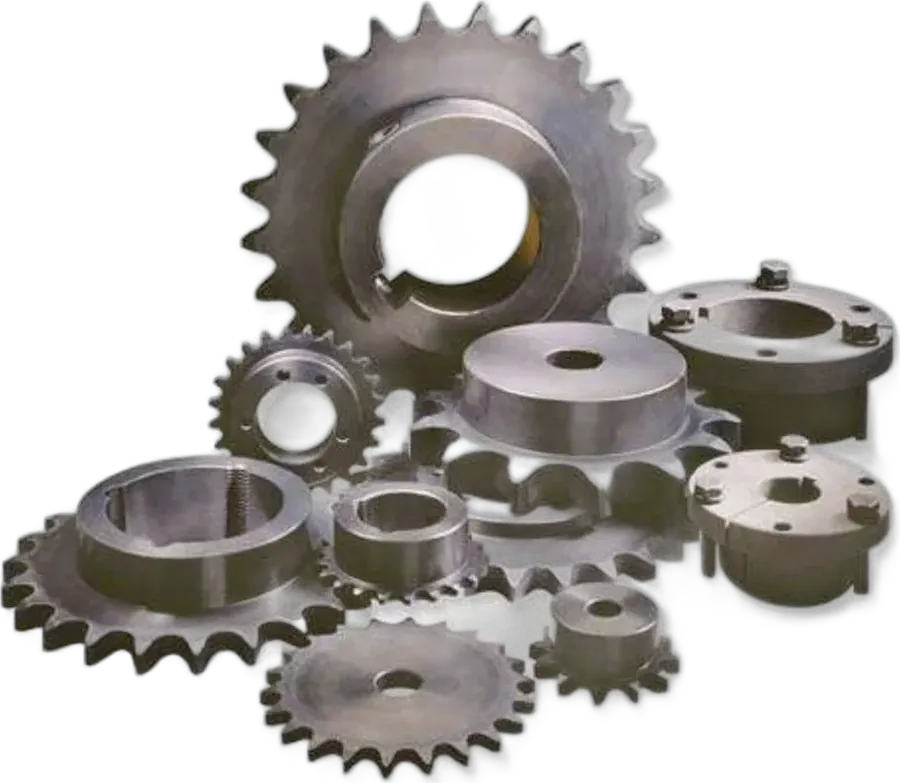
Simplex, duplex, triplex, double single and split sprockets for roller and conveyor chains.