← Lifting Equipment
PRODUCT

PLATE LIFTING CLAMPS.

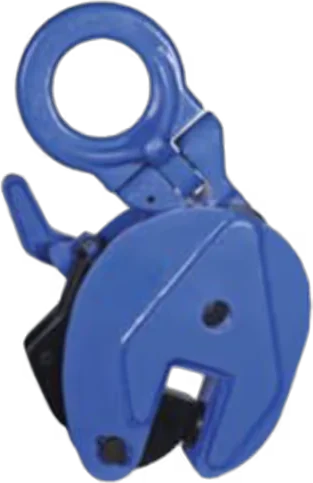
Vertical, horizontal, universal, turning and multi-plate clamps for lifting steel plates.

Plate lifting clamps grip a steel plate by its edge so it can be lifted with a crane or hoist, without drilling holes or welding lugs. The weight of the plate tightens the grip of the clamp jaws.

Each type suits a different job: vertical clamps lift and turn single plates upright, horizontal clamps are used in pairs to lift plates flat, and multi-plate clamps lift a stack. Tell us the plate thickness, weight and how you will lift it, and we will come back to you with details.

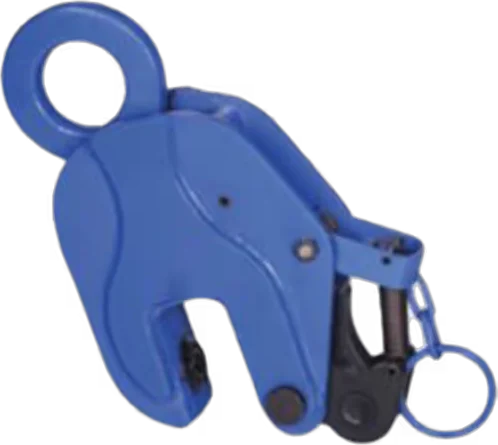
Plate Lifting Clamps

IN THE RANGE

Photos of Plate Lifting Clamps.

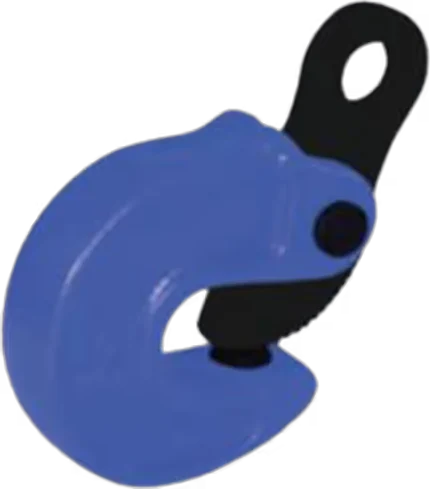
Horizontal plate clamp

Horizontal plate clamp

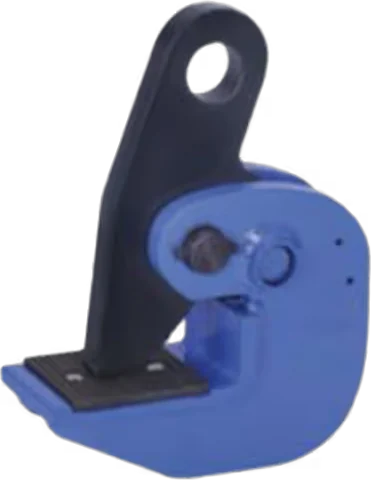
Universal plate clamp

Universal plate clamp

Turn lifting clamp

Turn lifting clamp

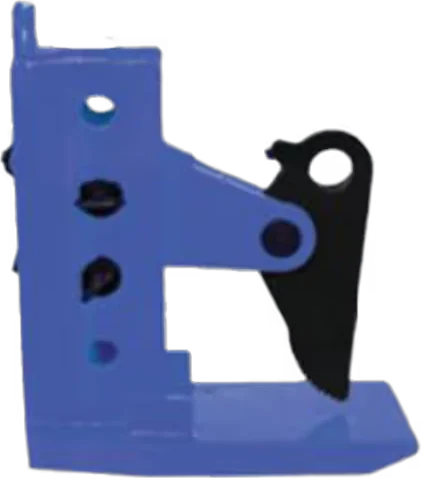
Multi-plate lifting clamp

Multi-plate lifting clamp

DETAILS

Brand, specifications and downloads.

Brand
Ytal Plus
Applications
Steel stockyards, Fabrication shops, Shipbuilding, Loading and unloading plate
Vertical clamps
Lift a single plate hanging vertically, and turn it from flat to upright
Horizontal clamps
Used in pairs or sets with a sling or spreader beam to lift plates flat
Universal clamps
Lift plates in more than one direction
Turn lifting clamps
Turn plates over during lifting
Multi-plate clamps
Lift a stack of plates together
Choose by
Working load limit, jaw opening (plate thickness range) and lifting direction

INSPECTION

Check plate clamps before every use.

PartLook for
Jaw and pad teethWorn, flattened or clogged teeth, which cannot grip
Locking lever and springThe lock must hold the jaw closed against the plate
Body and lifting eyeCracks, bending, wear in the eye, opened jaw
Pins and fastenersPresent, secure and not worn
MarkingsWLL and jaw opening range readable

DO AND DO NOT

Safe use of plate clamps.

  • Do push the clamp fully onto the plate, so the plate reaches the back of the jaw.
  • Do use a plate within the clamp's thickness range and lift only the number of plates it is designed for.
  • Do use horizontal clamps in pairs or sets, with a spreader beam for long plates.
  • Do not lift plates whose surface is very hard, greasy, painted or coated unless the maker allows it.
  • Do not let the load knock or the clamp catch on anything during the lift, which can release the grip.

WHAT TO TELL US

Include these in your message and we can answer faster.

01

The plate

Thickness range and the heaviest plate weight.

02

The lift

Vertical, flat, turning, or several plates at once.

03

The quantity

How many clamps you need.

QUESTIONS

Answers to what buyers ask us most.

For a single plate lifted or turned upright, use a vertical clamp. To lift a plate flat, use two or more horizontal clamps with a sling or spreader beam. To lift several plates together, use a clamp designed for multi-plate lifting. Never use a clamp for a direction it is not rated for.

The working load limit, the jaw opening (the range of plate thickness it fits), and the plate surface. Most clamps are made for plain steel plate: check the maker data before using a clamp on very hard, coated, greasy or painted plate.

Push the clamp fully onto the plate edge and set the locking lever before lifting. Lift one plate at a time unless the clamp is designed for more, keep people clear, and never let the clamp take a sideways or shock load it is not rated for.

Kutbi Chain Centre, 16 Sadar Patrappa Road (SP Road), Bengaluru, supplies Ytal Plus vertical, horizontal, universal, turning and multi-plate lifting clamps. Call or WhatsApp +91 96110 40034.

OTHER CATEGORIES

More from our range.

Roller Chains+

Roller Chains

View →

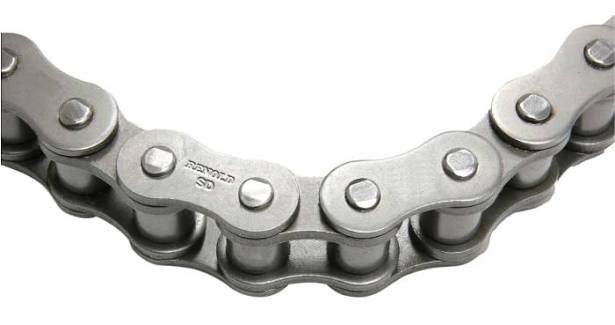
Simplex, duplex and attachment roller chains from TI Diamond, Renold, Rolon and Galaxy.

Conveyor Chains+

Conveyor Chains

View →

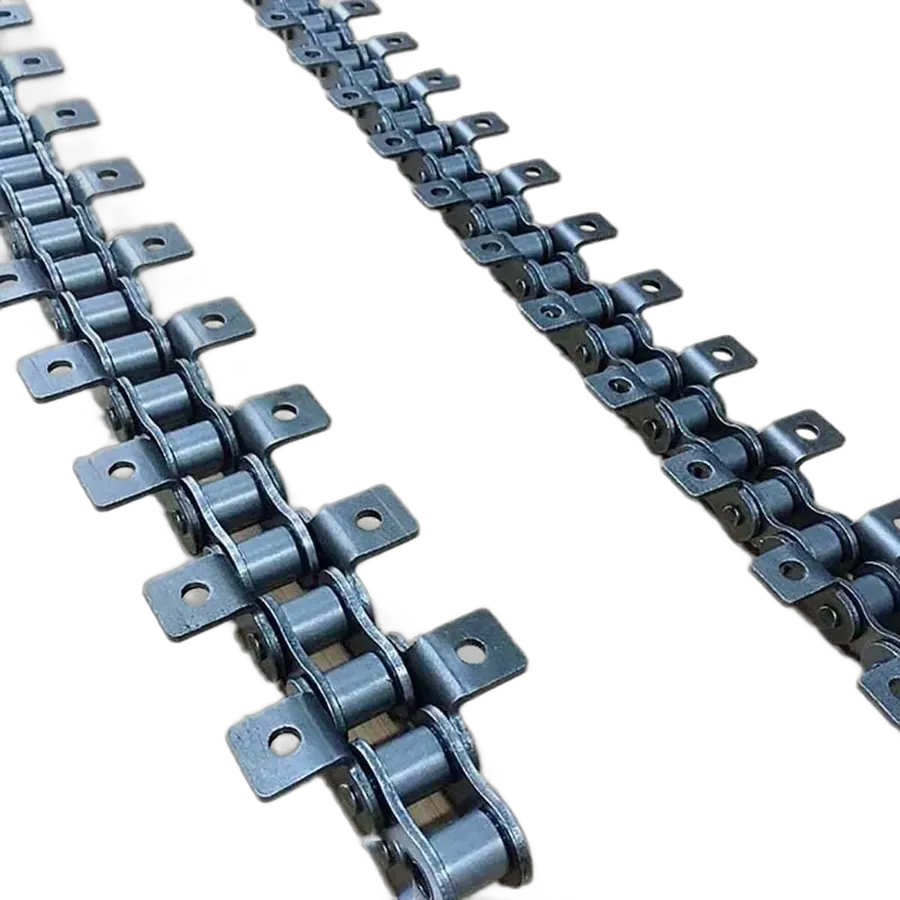
Leaf chains, conveyor chains, slat chains, drag chains, PIV gearbox chains and honeycomb wire mesh belts.

Chain Sprockets+

Chain Sprockets

View →

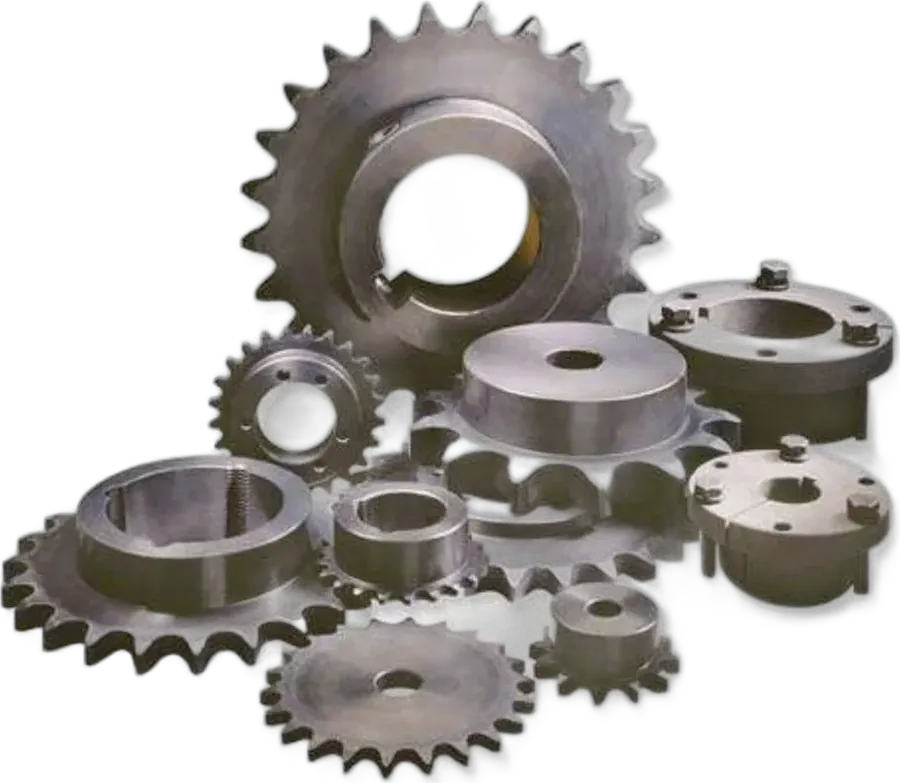
Simplex, duplex, triplex, double single and split sprockets for roller and conveyor chains.