← Seals & Rubber Products
PRODUCT

OIL SEALS.

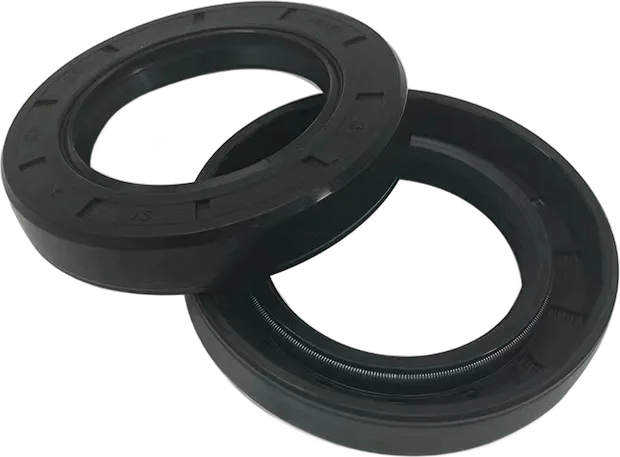
Radial oil seals in NBR, Viton and silicone, single and double lip.

An oil seal (radial shaft seal) fits in the housing round a rotating shaft. Its rubber lip, held against the shaft by a spring, keeps oil or grease in and dirt out. Oil seals are used in gearboxes, pumps, motors and vehicles.

Send us the three sizes (shaft x housing x width) and the type, or the old seal, and we will come back to you with details.

Oil Seals

DETAILS

Brand, specifications and downloads.

Applications
Gearboxes, Pumps and motors, Hydraulic and pneumatic equipment, Vehicles, Industrial machinery
Sizes
Shaft diameter x housing bore x width, in mm
Types
Single lip (SC) and double lip with dust lip (TC); rubber or metal outer case
Materials
NBR (nitrile) for general oils; Viton (FKM) for heat and chemicals; silicone for a wide temperature range
Standards
DIN 3760, ISO 6194

OIL SEAL TYPES

What the letters in the type code mean.

Oil seal types are usually named with two letters. The first letter describes the lips and the second the outside of the seal:

TypeSealing lipsOutside surfaceUse it for
SCSingle lip with springRubber coveredClean conditions; rubber outside seals well in the housing
TCMain lip with spring, plus a dust lipRubber coveredThe most common type; the dust lip keeps dirt out
SBSingle lip with springMetal caseFirm, accurate fit in machined housings
TBMain lip with spring, plus a dust lipMetal caseDusty conditions, metal housing fit
VCSingle lip without springRubber coveredGrease and low-speed shafts

Rubber-covered seals tolerate small housing scratches and seal better against thin oils; metal-case seals sit firmly and accurately in a well-machined bore.
CHOOSING THE MATERIAL

Match the rubber to the oil and the temperature.

MaterialTypical temperature rangeGood forAvoid
NBR (nitrile)About −30 °C to +100 °CMineral oils, greases, most gearboxes and pumpsHigh heat, ozone and sunlight, brake fluid
FKM (Viton)About −20 °C to +200 °CHot oils, synthetic oils, fuels and many chemicalsVery low temperatures, hot water and steam
Silicone (VMQ)About −50 °C to +180 °CWide temperature range, engines, food machineryAbrasion, high shaft speeds with dirt, some oils

Exact limits depend on the compound and the maker. If the old seal hardened and cracked, it was probably running too hot for its material, so consider Viton.

FITTING AN OIL SEAL

Most leaks start at fitting.

  1. Check the shaft. Look for a groove worn by the old seal lip, rust or scratches where the new lip will run. A grooved shaft will leak with a new seal; set the new seal slightly further in or out of the old track if the housing allows, or fit a wear sleeve.
  2. Clean the housing and check it for burrs and damage.
  3. Face the seal the right way. The spring side of the main lip faces the oil.
  4. Protect the lip. Oil the lip and slide it over keyways, splines and threads on a thin sleeve or with tape, so sharp edges cannot cut it.
  5. Press it in square with a flat drift or tool that pushes on the outer edge of the seal, never on the lip. Do not hammer it at an angle.

WHY OIL SEALS LEAK

What the symptoms usually mean.

SymptomLikely causes
Leaks straight after fittingSeal facing the wrong way, lip cut or folded during fitting, seal not square in the bore
Leaks after a short timeGrooved or rough shaft, dirt under the lip, shaft running out of true
Lip hard and crackedRunning too hot for the material, or a dry lip
Lip swollen and softRubber not suited to the oil or chemical
Seal pushed out of the housingPressure inside the housing. Standard oil seals are for little or no pressure; vent the housing or use a pressure seal.

WHAT TO TELL US

Include these in your message and we can answer faster.

01

The size

Shaft x housing x width, in mm.

02

The type

For example TC or SC.

03

The material

NBR, Viton or silicone.

04

The quantity

How many you need.

QUESTIONS

Answers to what buyers ask us most.

Both have a rubber-covered outside. SC has a single sealing lip; TC adds a second dust lip that keeps dirt away from the main lip.

NBR (nitrile) suits most mineral oils and greases at normal temperatures and costs less. Viton (FKM) handles much higher temperatures and many chemicals and fuels, for hot gearboxes and engines.

The spring side of the main lip faces the oil or grease you are keeping in. Fitted the wrong way round, the seal will leak.

OTHER CATEGORIES

More from our range.

Roller Chains+

Roller Chains

View →

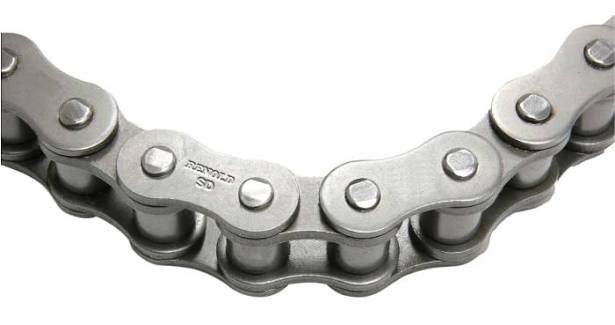
Simplex, duplex and attachment roller chains from TI Diamond, Renold, Rolon and Galaxy.

Conveyor Chains+

Conveyor Chains

View →

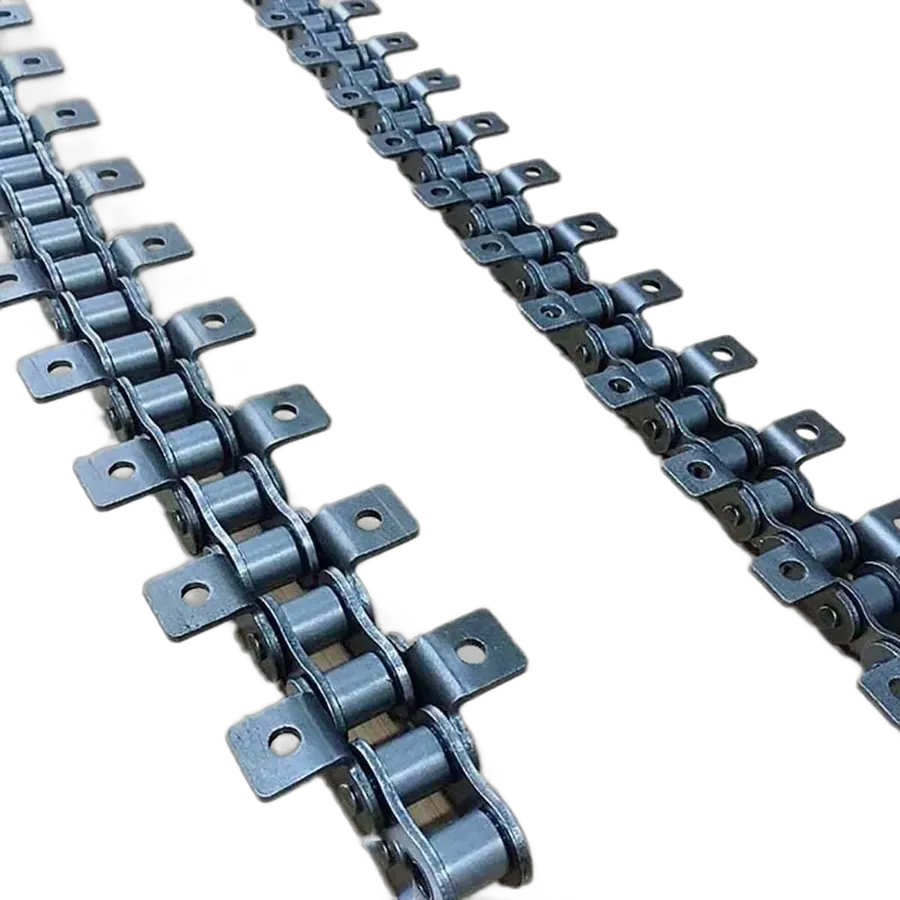
Leaf chains, conveyor chains, slat chains, drag chains, PIV gearbox chains and honeycomb wire mesh belts.

Chain Sprockets+

Chain Sprockets

View →

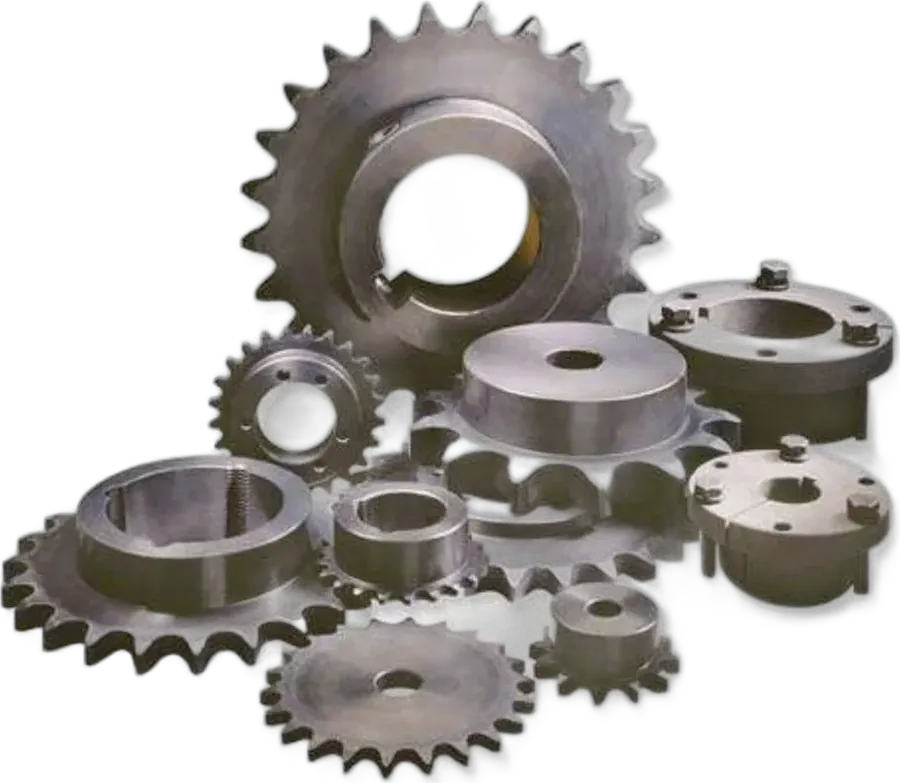
Simplex, duplex, triplex, double single and split sprockets for roller and conveyor chains.