← Lifting Equipment
PRODUCT

LIFTING TACKLES.

Shackles, eye bolts, hooks, slings, chains, wire rope clamps and turnbuckles for rigging and lifting.

Lifting tackles are the fittings that connect a load to a hoist or crane. We supply shackles, eye bolts, hooks, slings, chains, wire rope clamps and turnbuckles for factories, warehouses and site work.

Every piece of lifting gear must be used within its marked safe working load. Tell us the load and how you will rig it, and we will come back to you with details.

Lifting Tackles

IN THE RANGE

Photos of Lifting Tackles.

Ytal Plus wire rope clamp

Ytal Plus wire rope clamp

DETAILS

Brand, specifications and downloads.

Brand
Ytal Plus
Applications
Factories and workshops, Warehouses and loading, Construction sites, Machine installation
Shackles
Bow shackles and D shackles
Eye bolts
M6 to M36, galvanised or black forged
Hooks
Grade 80 eye and clevis hooks, swivel hooks
Slings
Polyester web slings, chain slings and wire rope slings
Chains
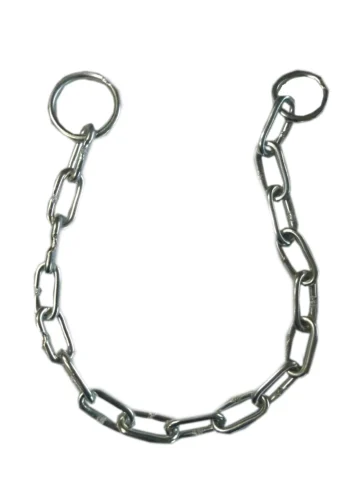
Grade 80 and Grade 100 alloy lifting chains; mild steel chains, sold by weight
Rigging hardware
Wire rope clamps, turnbuckles
Magnetic lifters
Permanent magnet lifters, 100 kg to 3 tonnes

USING EYE BOLTS CORRECTLY

Eye bolts are strongest in a straight pull.

  • Screw the eye bolt fully home so its collar sits flat and tight on the load surface.
  • Pull in line with the bolt wherever possible. A plain eye bolt loses much of its capacity when pulled at an angle; follow the maker's reductions for angled pulls.
  • Line the eye up with the sling, using a washer under the collar if needed, so the pull is in the plane of the eye, never across it.
  • For angled or multi-direction pulls, use swivelling lifting points instead.
  • Check the thread in the load is the right size and long enough, and clean.

WIRE ROPE CLAMPS AND TURNBUCKLES

Small parts that need care.

  • Wire rope clamps: fit the saddle on the live (load) side and the U-bolt on the dead end, use the number and spacing the maker gives for the rope size, tighten to the given torque, and retighten after the first load.
  • Turnbuckles: keep enough thread engaged at both ends, lock the body with its lock nuts or wire once tensioned, and never load a turnbuckle sideways.
  • Size every part to the rope or chain it is used with, and to the load.

WHAT TO TELL US

Include these in your message and we can answer faster.

01

The item

For example a shackle, an eye bolt or a sling.

02

The load

The weight you need to lift, so we can match the safe working load.

03

The size

Pin or thread size, chain size, or sling length.

04

The quantity

How many you need.

QUESTIONS

Answers to what buyers ask us most.

SWL (safe working load) and WLL (working load limit) both mean the maximum load the item is rated to lift in normal use. It is marked on every shackle, hook, eye bolt and sling. Never lift more than the marked SWL.

Fit the saddle on the live, load-carrying side of the rope and the U-bolt on the short dead end: never saddle a dead horse. Use at least the number of clamps the maker specifies for the rope size, which is three or more for most ropes.

Check it by eye before every use for cracks, bending, stretched hooks, cuts in slings and missing markings, and have it examined by a competent person at regular intervals. Take damaged or unmarked gear out of use.

OTHER CATEGORIES

More from our range.

Roller Chains+

Roller Chains

View →

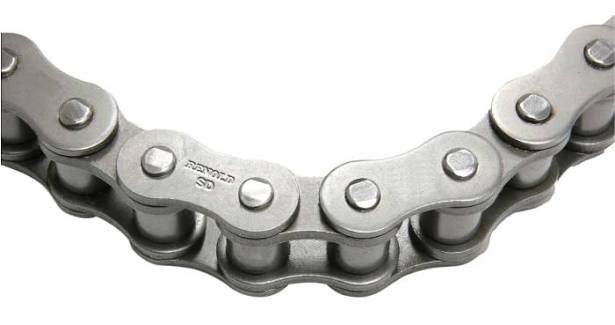
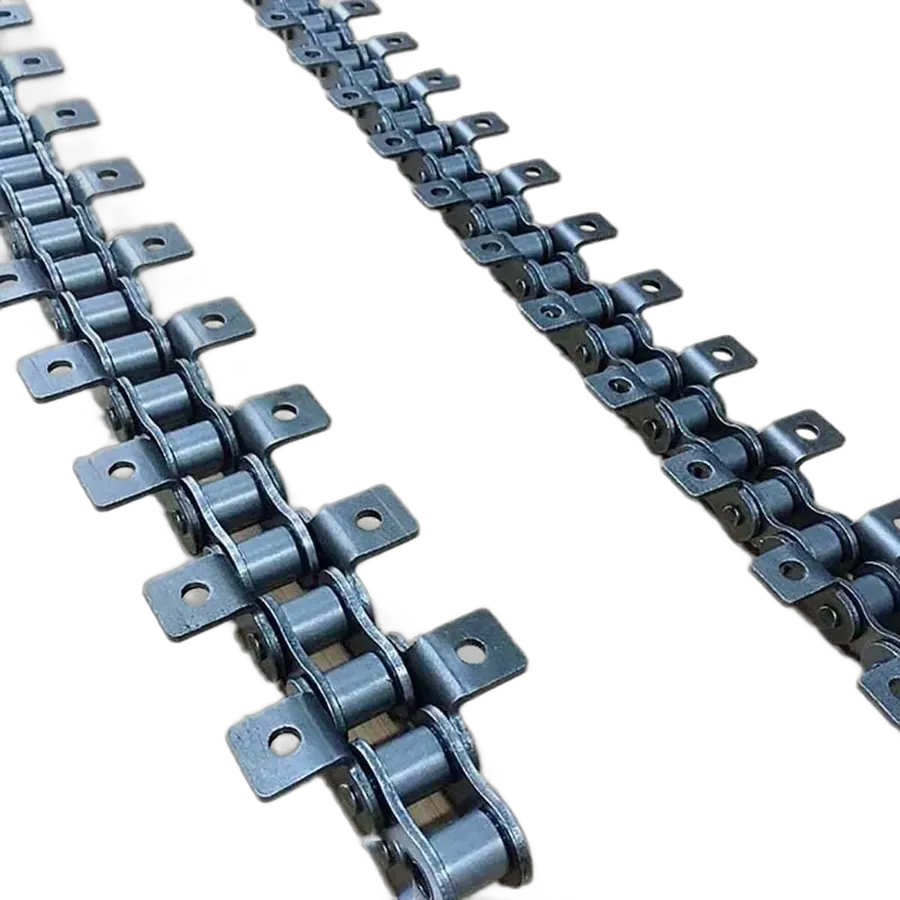
Simplex, duplex and attachment roller chains from TI Diamond, Renold, Rolon and Galaxy.

Conveyor Chains+

Conveyor Chains

View →

Leaf chains, conveyor chains, slat chains, drag chains, PIV gearbox chains and honeycomb wire mesh belts.

Chain Sprockets+

Chain Sprockets

View →

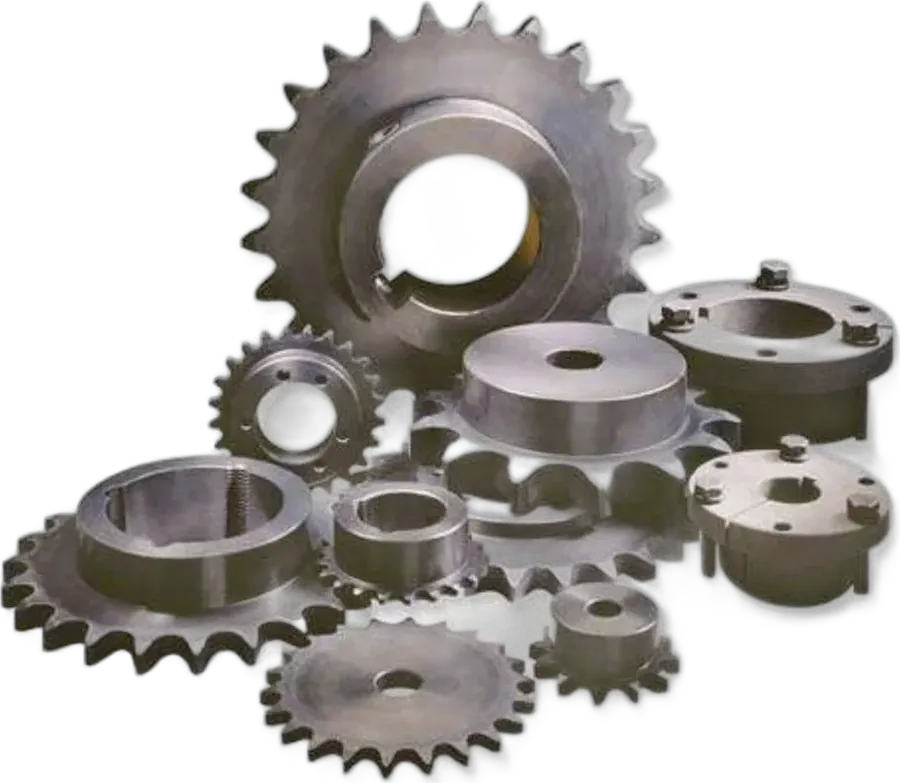
Simplex, duplex, triplex, double single and split sprockets for roller and conveyor chains.