← Seals & Rubber Products
PRODUCT

ANTI-VIBRATION PADS & MOUNTS.

Rubber mats, cork pads, machine mounts, sandwich mounts and rubber buffers.

Anti-vibration pads and mounts sit between a machine and the floor or frame. The rubber or cork absorbs vibration and shock, which reduces noise, protects the floor and the machine, and stops machines from walking across the floor.

Tell us the machine, its weight and the number of mounting points, and we will come back to you with details.

Anti-Vibration Pads & Mounts

DETAILS

Brand, specifications and downloads.

Applications
Pumps and compressors, Generators and engines, HVAC equipment, Machine tools, Heavy equipment
Pads
Rubber mats and rubber cork pads, cut to size
Mounts
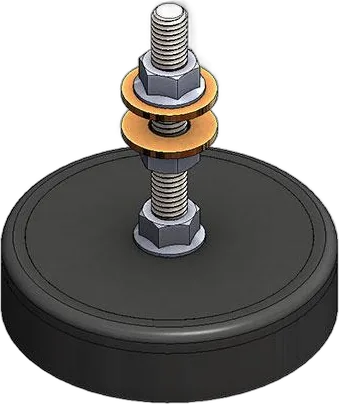
Levelling machine mounts, sandwich mounts with studs, rubber buffers
Selected by
Machine weight per mounting point

PADS, MOUNTS OR BUFFERS?

Which product suits which job.

ProductWhat it isUse it for
Rubber and cork padsSheets of ribbed rubber or rubber-cork, cut to size and placed under the machine feetMachines that need not be bolted down; reducing noise and stopping machines from walking
Levelling machine mountsA rubber pad with a threaded stud for adjusting the heightMachine tools and machines that must stand level
Sandwich mountsRubber bonded between two metal plates with studs or tapped holesBolting pumps, engines, generators and fans to a frame
Rubber buffersSolid rubber stopsAbsorbing impact at end stops, doors and moving parts

CHOOSING THE RIGHT MOUNT

The checks that matter most.

  1. Work out the load on each mount. Divide the machine weight by the number of mounts. If the machine is heavier at one end (an engine at one end of a generator, for example), the mounts under that end carry more, so choose them for the heavier load.
  2. Do not choose too stiff a mount. A mount only isolates vibration well when it is soft enough for the machine to settle on it a little. In vibration terms, its natural frequency must be well below the frequency of the vibration, which depends on the running speed of the machine. A mount loaded well below its rating may be too stiff to help.
  3. Check for oil. Natural rubber swells and softens in oil. Where oil or fuel can drip, choose mounts made of oil-resistant rubber.
  4. Allow for movement. Pipes, cables and shafts connected to the machine need flexible connections, or they will carry the vibration past the mounts.

FITTING AND CARE

Simple habits that help mounts work.

  • Fit all the mounts on one machine from the same type and rating, unless the load is uneven.
  • Level the machine using levelling mounts or shims, so each mount carries its share.
  • Do not over-tighten the bolts so far that the rubber is squeezed solid; follow the maker's guidance.
  • Check mounts regularly for cracks, hardening and rubber coming away from the metal plates.

WHAT TO TELL US

Include these in your message and we can answer faster.

01

The machine

Type of machine.

02

The weight

Total weight and the number of mounting points.

03

The fixing

Stud size, or free-standing.

04

The quantity

How many you need.

QUESTIONS

Answers to what buyers ask us most.

Divide the machine weight by the number of mounting points to get the load on each mount, then choose a mount rated above that load. Use levelling mounts if the machine must be set level.

OTHER CATEGORIES

More from our range.

Roller Chains+

Roller Chains

View →

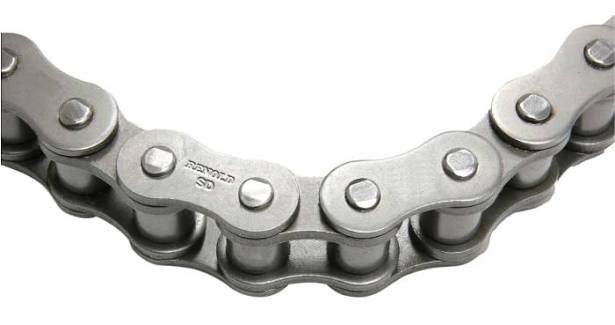
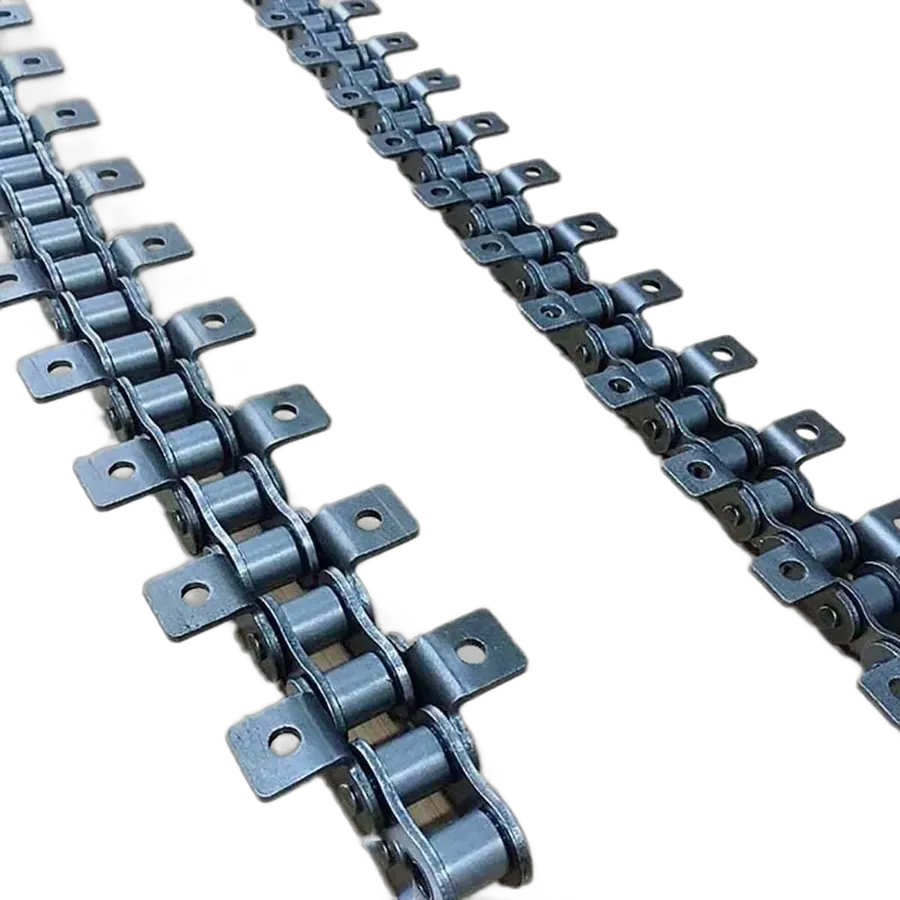
Simplex, duplex and attachment roller chains from TI Diamond, Renold, Rolon and Galaxy.
Conveyor Chains+

Conveyor Chains

View →

Leaf chains, conveyor chains, slat chains, drag chains, PIV gearbox chains and honeycomb wire mesh belts.

Chain Sprockets+

Chain Sprockets

View →

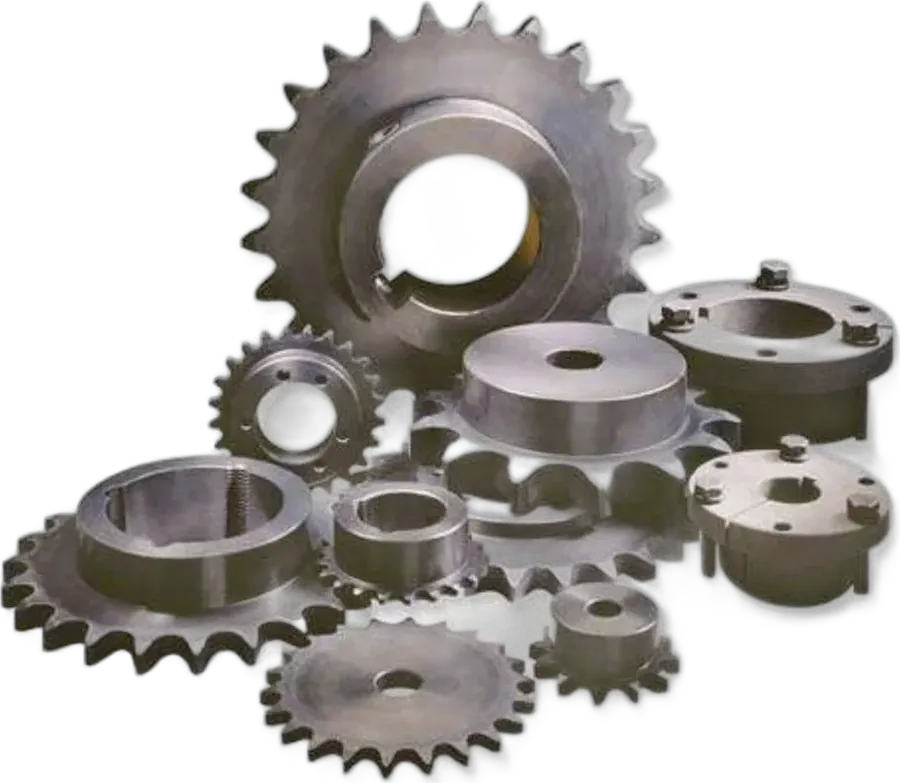
Simplex, duplex, triplex, double single and split sprockets for roller and conveyor chains.